Burning Quran — Right to Burn
This site presents media and argument around lawful symbolic expression in secular societies. It is about the legal principle that people are free to publicly destroy their own property, including books, without threatening or harming anyone.
Media
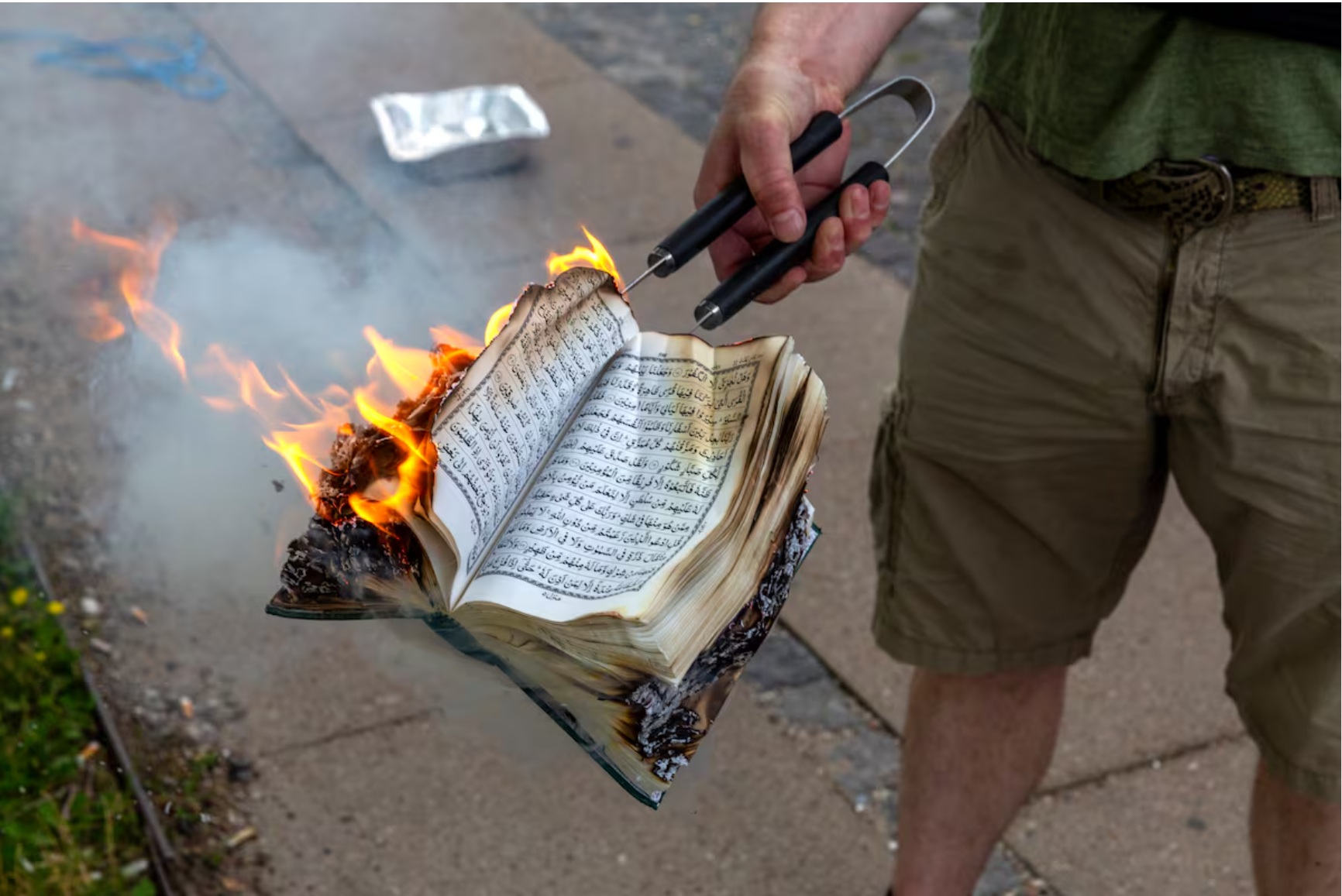
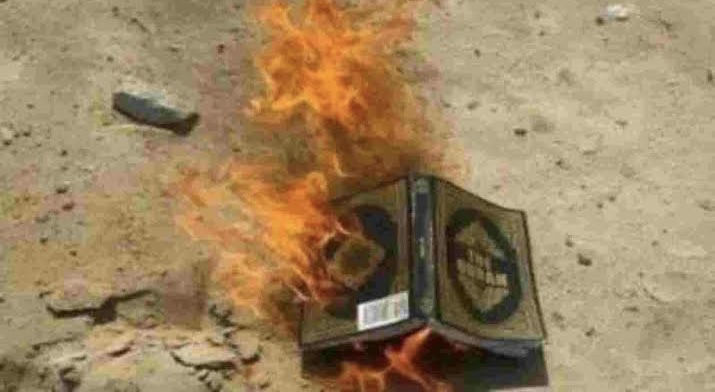
Why this exists
In a secular and free society, the state does not enforce religious sanctity. People hold many beliefs, and those beliefs can be criticized, rejected, or symbolically opposed without targeting individuals.
Public destruction of one’s own property—such as paper or books—can be a form of symbolic speech. Some expression is provocative; a free society protects expression precisely because it is not limited to what is polite.
This page exists to document and discuss that principle: freedom of expression includes the freedom to offend, while still rejecting harassment, threats, or violence toward anyone.
Core principles
Disclaimer
- This site is for commentary and documentation of symbolic expression.
- No calls for harassment, threats, or violence are permitted or encouraged.
- Do not trespass, endanger others, or violate local laws. Jurisdictions differ.
FAQ
Is this site anti-Muslim?
Why use this specific example?
Is this legal?
Can I contact you?
How can I support this project?
If you find this project meaningful, there are several simple ways to support it.
Share the message
Share this website and discuss the ideas presented here. Open discussion is an essential part of a free and secular society.
Send photos or videos
You may send photographs, videos, or documentation related to lawful symbolic expression or public demonstrations to our email.
Please include basic context (location, date) and confirm that the material may be published.
Optional donation
Maintaining the website involves hosting and infrastructure costs. If you wish, you may support the project through voluntary donations.
Contributions are appreciated but never expected.